
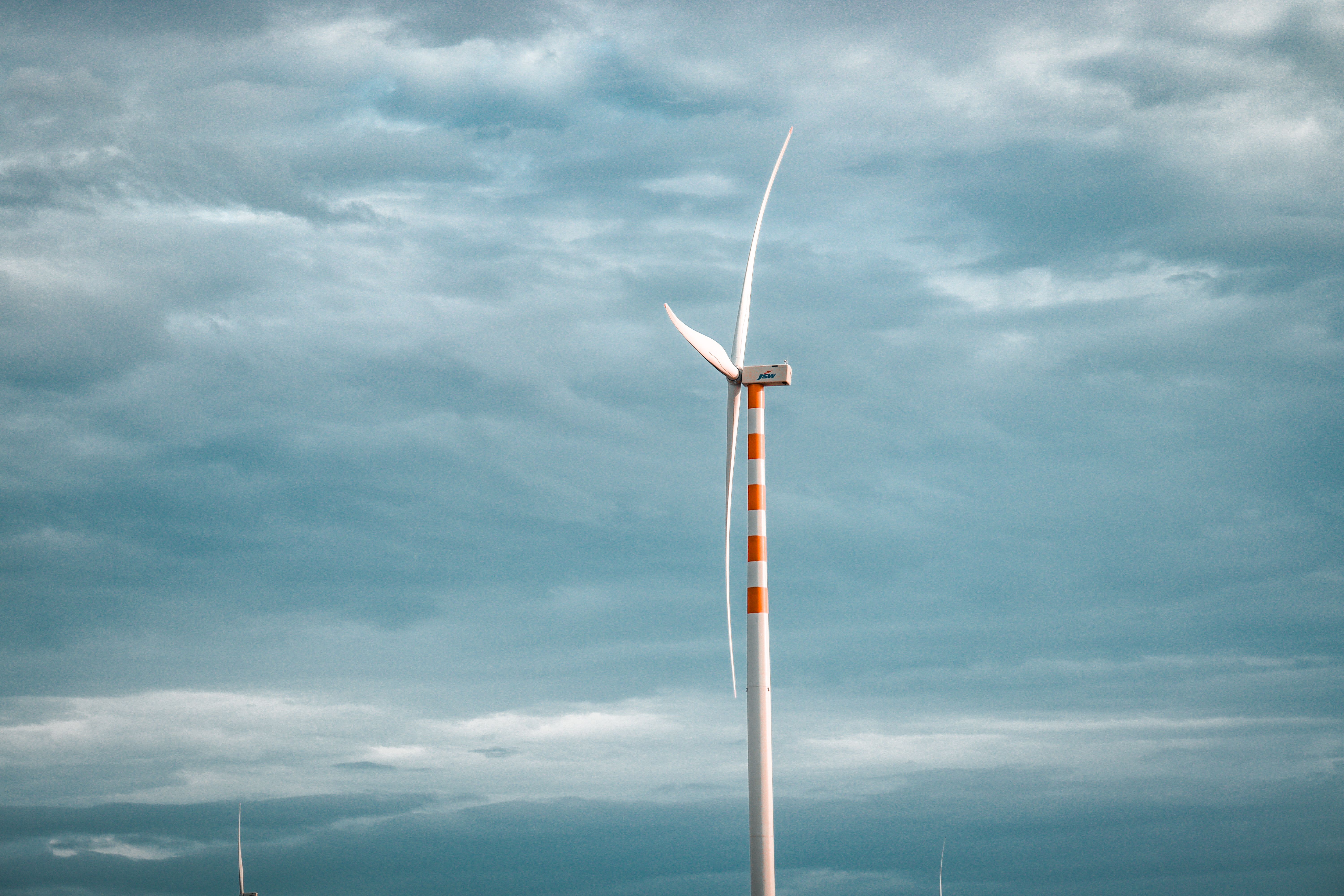
9–11 June 2026 | European Sustainable Energy Week: A Global Turning Point for Clean Energy
At a time when fossil fuel prices are rising sharply under geopolitical pressure and energy supply has become a political lever, history is once again confirming what it has always shown: every energy transition reshapes the balance of power between nations and today, that transition is being driven by the race for renewables. According to the World Energy Council’s 2026 report, geopolitical threats and uncertainty have become the single most defining factor shaping the energy landscape in the eyes of global energy leaders.
Why Does This Week Matter for the World?
In 2025, £2.2 trillion of the £3.3 trillion in total global energy investment flowed into clean energy. By 2026, renewable energy sources are meeting 90 per cent of all new global electricity demand. These figures make one thing unambiguous: the energy transition is no longer an environmental preference it is an economic and strategic imperative.
Europe’s position in this context is clear. Building a genuine Energy Union through greater renewable energy deployment, strengthened grids and a true single electricity market is no longer an aspiration but a structural necessity. The EU’s commitment to reducing energy consumption by at least 11.7 per cent by 2030 serves as the concrete reference point anchoring every policy discussion.
The 20th edition of EUSEW brought together approximately 10,000 participants in Brussels and online from 9 to 11 June 2026. Opening with senior energy officials from the European Commission, the conference brought all former EU Energy Commissioners who have served since 2007 together at the same table to reflect on how Europe’s energy priorities have evolved and what the period ahead demands. Five thematic pillars formed the backbone of the agenda across 50 policy sessions: a competitive and secure Energy Union, energy affordability, renewable energy, energy efficiency and a framework for decarbonisation in the EU and globally.
EUSEW, held annually without interruption since 2006, presented its 2026 Awards in three categories:
- Local Energy Action: Vienna’s “100 Projects Phasing Out Gas” initiative replaced more than 1,000 gas boilers with renewable systems within two years, transforming this experience into a transferable learning model for Europe.
- SMEs Driving Energy Efficiency: The Belgian RE-LEAF project distinguished itself through an innovative model integrating energy poverty relief with mortgage financing and retrofit advisory services.
- Women in Energy: Suzanne Renard, who finances citizen-led renewable energy projects in France and champions the active participation of women in the energy sector, was named this year’s winner.
Strategic Alignment with ISO 14001:2026
In parallel with EUSEW’s globally significant agenda, the world of standards reached its own critical milestone. Published in April 2026, ISO 14001:2026 renews and strengthens the framework organisations need to translate environmental ambition into measurable results with sharper alignment to the priorities of climate change, biodiversity and resource efficiency.
The new version incorporates the climate change amendment published in 2024 and extends the organisational context analysis to include broader environmental conditions such as natural resource use, pollution levels and biological diversity. The three-year transition period, which commenced on 15 April 2026, creates a structural obligation for organisations currently certified to ISO 14001:2015.
Coal shaped Europe’s industrialisation. Oil defined the global economy of the twentieth century. Electrification and renewable energy are now giving rise to a new geopolitical configuration. The countries that develop advanced energy technologies, secure strategic resources and build efficient infrastructure will hold the strongest positions in the global economy of the future.
At CFECERT, we provide internationally recognised courses and GAP Analysis to organisations seeking to assess the ISO 14001:2026 revision, review the alignment of their existing environmental management systems with the new requirements, plan their transition and structure their implementation steps correctly:
- ISO 14001:2026 Environmental Management System Awareness Course
- ISO 14001:2026 Environmental Management System Internal Auditor Course
- ISO 14001:2026 Environmental Management System Lead Auditor Course
- ISO 14001:2026 Environmental Management System Version Transition Course
- ISO 14001:2026 Environmental Management System Lead Auditor Version Transition Course
To place your organisation’s role in this transformation on a foundation of documented expertise, please contact us at info@cfecert.co.uk
Ref: https://sustainable-energy-week.ec.europa.eu/index_en